The Importance of Mindfulness in a Fast-Paced World: How to Stay Grounded
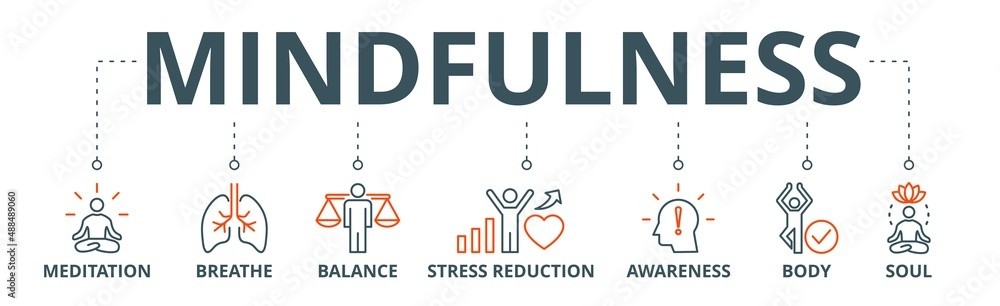
Introduction: In today’s fast-paced world, we are constantly bombarded with information, responsibilities, and distractions. It's easy to feel overwhelmed, stressed, or disconnected from ourselves and others. Amid the chaos, mindfulness offers a way to slow down, focus on the present moment, and find peace. In this blog, we’ll explore what mindfulness is, why it's essential, and how you can incorporate it into your daily life to stay grounded. Section 1: What is Mindfulness? Mindfulness is the practice of bringing one’s full attention to the present moment without judgment. It means being aware of where you are, what you're doing, and how you're feeling. Instead of getting lost in worries about the future or regrets about the past, mindfulness helps you focus on what is happening right now. Section 2: Why Mindfulness is Important Reduces Stress: Mindfulness has been proven to reduce stress by encouraging you to observe your thoughts and feelings without getting caught up in them. This helps break the cycle of anxious thinking. Improves Mental Clarity: When your mind is cluttered with distractions, it’s hard to think clearly. Mindfulness improves focus and attention, which helps in decision-making and problem-solving. Boosts Emotional Well-Being: By practicing mindfulness, you become more aware of your emotions and how to manage them. This awareness leads to greater emotional balance and resilience. Enhances Relationships: Being mindful in interactions allows you to listen more attentively, respond thoughtfully, and communicate better, which strengthens personal and professional relationships. Section 3: Simple Mindfulness Practices for Daily Life 1. Mindful Breathing: One of the easiest ways to practice mindfulness is through mindful breathing. Focus on your breath as it enters and leaves your body. When your mind starts to wander, gently bring your attention back to your breathing. How to Practice: Sit or stand in a comfortable position. Inhale deeply through your nose, feeling the air fill your lungs. Exhale slowly through your mouth, releasing tension. Repeat for a few minutes, focusing only on the breath. 2. Mindful Eating: Mindful eating involves savoring each bite of your food without distractions, such as phones or television. Pay attention to the taste, texture, and smell of your food. This practice can lead to better digestion and more enjoyment of meals. How to Practice: Take small bites. Chew slowly, noticing the flavors and sensations. Put down your utensils between bites and fully experience the moment. 3. Mindful Walking: Turn your daily walk into a mindfulness exercise. Focus on the movement of your body, the feeling of your feet hitting the ground, and the sounds around you. This practice helps you connect with your surroundings and reduces mental noise. How to Practice: Walk at a natural pace. Focus on the sensation of your feet lifting and touching the ground. Notice the sights, sounds, and smells around you. Section 4: The Science Behind Mindfulness Research shows that practicing mindfulness can lead to a variety of mental and physical health benefits. Some studies have found that it helps: Reduce anxiety and depression. Lower blood pressure and improve cardiovascular health. Strengthen the immune system. Increase gray matter density in the brain areas associated with learning and memory. Mindfulness can also change the way your brain processes emotions and stress, making you more resilient in challenging situations. Section 5: Overcoming Common Mindfulness Challenges 1. “I don’t have time”: You don’t need hours of meditation to be mindful. Even a few minutes of focused breathing or mindful awareness throughout the day can make a difference. 2. “My mind keeps wandering”: It’s natural for your mind to wander, especially when you're new to mindfulness. The key is to gently bring your attention back to the present moment without frustration. 3. “I don’t feel any different”: Mindfulness is not about instant results. Like any skill, it takes time and regular practice. Over time, you’ll begin to notice subtle changes in how you handle stress and emotions. Section 6: How to Incorporate Mindfulness into Your Routine Start with Small Moments: Begin by incorporating short mindfulness practices into your day—while drinking your morning coffee, during a short break, or before bed. Use Mindfulness Apps: Apps like Headspace, Calm, or Insight Timer offer guided meditations and reminders to practice mindfulness throughout the day. Create a Mindfulness Habit: Set aside 5–10 minutes each day to focus on mindful breathing, journaling, or meditation. Over time, you’ll find it easier to integrate mindfulness into more areas of your life. Conclusion: In a world that never stops moving, mindfulness provides a powerful tool for finding balance, peace, and clarity. By practicing mindfulness, you can reduce stress, improve focus, and enhance your emotional well-being. Whether it's through mindful breathing, walking, or simply being more present in your daily activities, the benefits of mindfulness are well worth the effort.
 amit
amit